Lack of Management: Chaotic construction sites, disorganized pipelines, heavy traffic, and remote locations often delay systematic maintenance, leaving equipment to operate with hidden faults.
Fuel and Oil Pitfalls: Greedy procurement of subpar parts, fuel, hydraulic oil, or lubricants—due to inadequate knowledge or irresponsibility—can corrode engines and hydraulic systems, causing early damage.
Operational Misconceptions: Overloading, rough driving, or neglecting pre-operation checks accelerates wear on structural components.
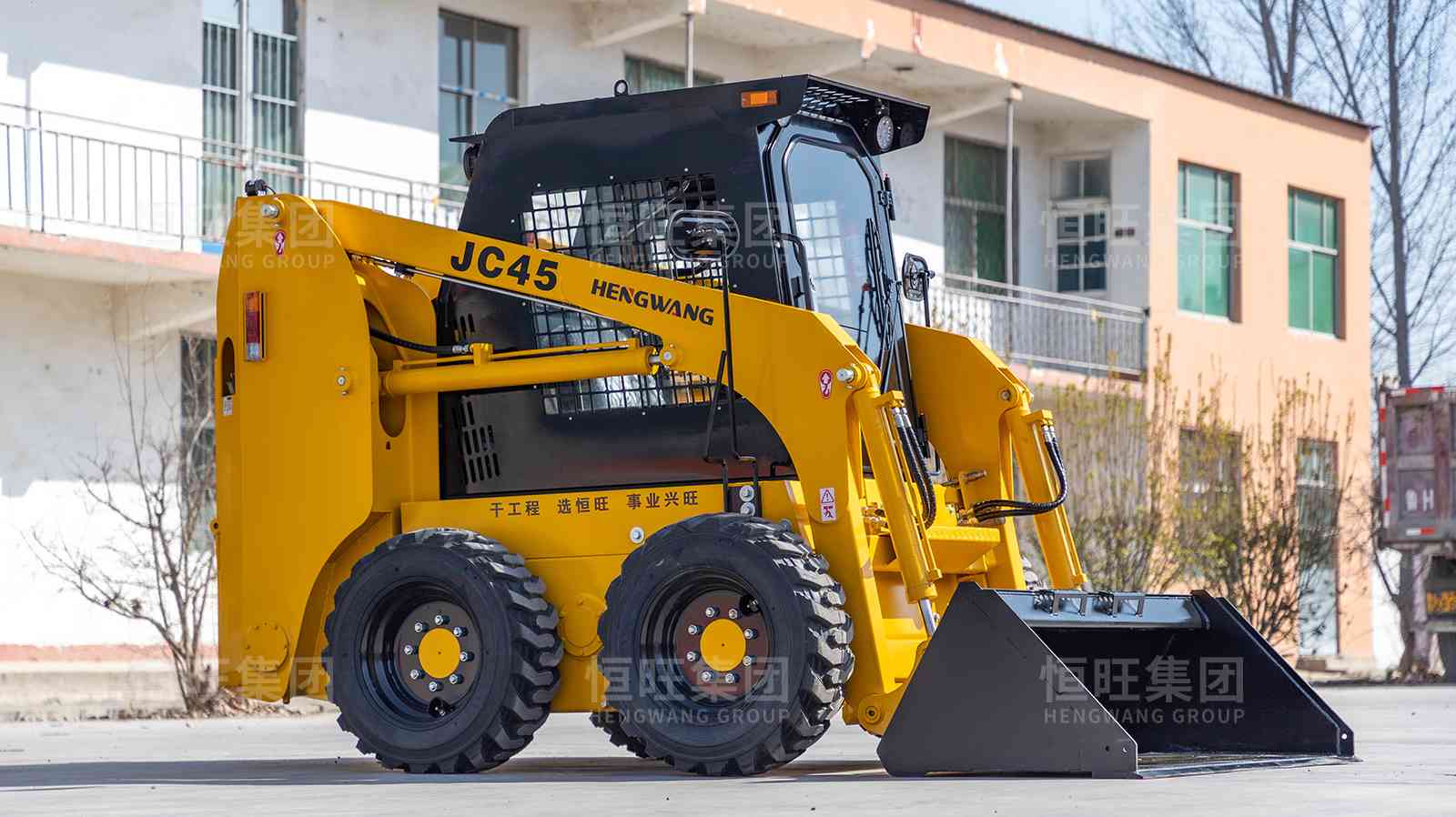
7 Golden Rules to Extend Your Skid Steer’s Lifespan (Save Money with These!)
Strictly Select Oils and Fuels to Avoid Problems at the Source
Diesel Fuel: Use diesel with the correct rating (recommend 0# or higher) to prevent waxing in cold weather.
Hydraulic Oil: Replace every 500 hours; filter immediately if contamination exceeds limits.
Grease: Opt for high-temperature lithium-based grease in harsh conditions to reduce bearing wear.
Daily Inspections: Catch Faults Early
Engine Oil Level: Check daily before operation; top up immediately if below the minimum mark.
Filter Status: Clean air filters weekly; replace hydraulic filters monthly.
Structural Noises: Listen for metal grinding during operation (e.g., buckets, linkages).
Scientific Operation: Ditch "Brute Force" Practices
Avoid Overloading: Stay within the rated load capacity to prevent transmission damage.
Smooth Steering: Slow down before turns to reduce tire wear and save fuel.
Pre-Heating in Winter: Warm up the engine for 5 minutes before starting to minimize cold-start wear.
Adapt to Harsh Environments with Smart Solutions
Water Crossings: Keep water depth below tire radius; clean radiator after immersion.
Dusty Sites: Install pre-filters on air intakes; clean filters regularly.
Heat Warnings: Pause work during peak heat; park in shaded areas to cool down.
Regular Maintenance: Save on Major Repairs
Minor Maintenance (Every 50 Hours): Replace oil and filters; check bolt tightness.
Intermediate Maintenance (Every 200 Hours): Clean fuel systems; lubricate pivot points.
Major Maintenance (Every 1000 Hours): Replace hydraulic oil and gear oil; inspect drive chains.
Professional Support: Rapid Fault Response
Hengwang Group offers 24/7 remote diagnostics; engineers guide troubleshooting via video.
Fast Parts Delivery: Common filters, seals, and other parts arrive at job sites within 48 hours.
Data Tracking: Proactive Maintenance
Maintain an equipment log to record maintenance dates and fault codes.
Use oil analysis to predict internal wear and avoid sudden breakdowns.